Teaching ESL Verb Tenses to Adults
Method to Teach ESL Verb Conjugation,
Form, and Function of Tenses
When teaching ESL verb tenses to English language learners, conjugation is only one part of verb tense lesson plans. Students can often easily memorize and match pronouns and conjugated verbs, but the more difficult part of verb usage is knowing which verb tense to use and when to use it.
Moving beyond conjugation, the two main things an ESL teacher has to teach about verb tenses are form and function.
ESL Verb Conjugation Review
A common teaching strategy is to present the conjugation of verbs first. This is the easiest part of the lesson.
Students must learn the correct conjugation for each of the following subject pronouns: I, you, he/she/it, they, and we.
Here's an example of the verb "dance" conjugated in the Present Progressive/Present Continuous.
See the Verb Tense Chart below for a complete discussion of each tense, including conjugation, form and function.
Overview of "Form" and "Function"
Five Forms of ESL Verb Tenses (using the Present Progressive/Present Continuous, for example)
Here are the five forms ESL and EFL students must learn for every verb tense.
- Affirmative Usage (e.g., She is eating dinner.)
- Negative Usage (e.g., She is not eating dinner.)
- Yes/No Questions (e.g., Is she eating dinner?)
- Short Answers (e.g., Yes, she is. No, she isn't.)
- WH- Questions (e.g., Where is she eating dinner?)
Function(s) of ESL Verb Tenses
The next important thing to teach English language learners is
the "function" or "functions" of each verb tense. Knowing the
function(s) of each tense helps the student determine which is the
correct one to use in every situation.
Let's continue to use the Present Progressive for our example.
The main function of the Present Progressive is to describe something that is in process at this very moment (e.g., Right now, I am writing about ESL verb tenses and lesson plans. Right now, you are reading this page.).
We also use the Present Progressive (or Present Continuous) to talk about things that are happening "these days" or at this time in our lives or in history. For example:
And the last function (an often ignored function of the Present Continuous, but very commonly used by native English speakers) is to talk about future plans. For example:
I've chosen the easier Present Progressive to illustrate what must be taught for each of the ESL verb tenses. It becomes a little more complicated to teach the functions for something like the Present Perfect, but the essentials are still the same.
Review and Recommendations
ESL verb tense lesson plans should include the following components:
- Conjugation
- Forms
- Function(s)
Learning these three components for each verb tense helps students master the main elements of all tenses. See this
verb tense list
for a list of all English language tenses with examples.
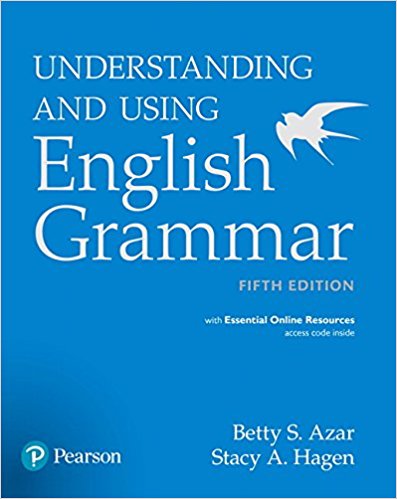
For high intermediate to advanced ESL students, I've found Azar's Understanding and Using English Grammar to be particularly useful for clearly teaching the functions of all tenses. She also provides practice exercises and useful timelines so students can visually see "when" to use a particular tense.
Below is a Verb Tense Chart for your reference. You can click on any of the verb tenses to learn more about teaching that particular tense and for help writing verb tense lesson plans. ESL cloze exercises are also provided for some of the tenses.
Irregular Verbs
Here's an
irregular verbs list
for help in teaching the various forms of commonly used verbs.
Sitemap | Contact | Privacy Policy | About
All material on this website is copyrighted (© 2007-2025).
You are free to use my materials in your classes.
I just ask that you include my website address on handouts.
www.Teaching-ESL-to-Adults.com

New! Comments
Have your say about what you just read! Leave me a comment in the box below.